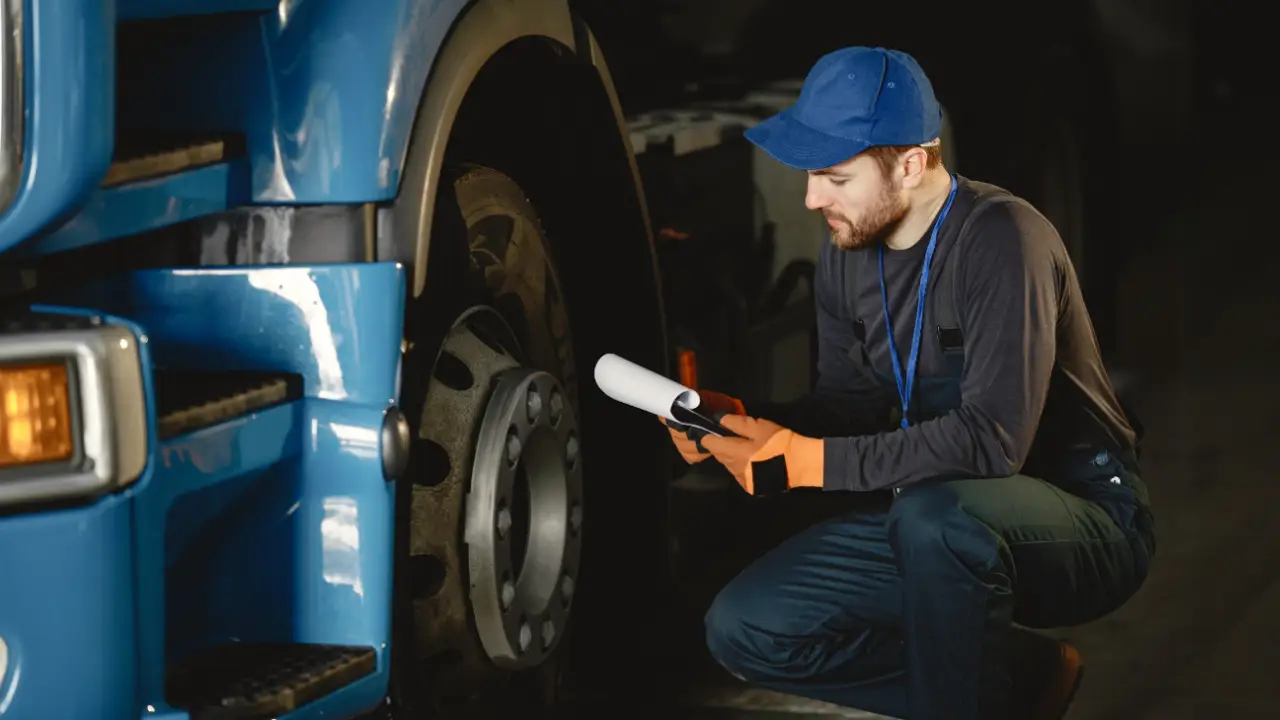

Truck operations in Thunder Bay move on strict timelines. Loads must roll, routes must stay active, and delays ripple through the entire operation. Under that pressure, Fleet Maintenance often narrows down to oil changes and visible repairs. The smaller tasks slip through because they do not generate noise, trigger warning lights, or cause immediate failures. Yet these skipped checks quietly shape whether a truck finishes the season or ends up parked unexpectedly.
A solid Fleet Maintenance approach looks beyond surface-level service. It tracks wear patterns, tests systems under stress, and treats inspection time as an investment rather than a pause in productivity.
Trucks operating around Thunder Bay face temperature swings, road salt, heavy loads, and long idle periods. When certain tasks are delayed, the effects build silently. Fleet Maintenance problems rarely announce themselves early. They surface when a delivery window closes, a driver calls in from the roadside, or a unit fails inspection.
Skipping smaller service items also increases repair complexity. A worn component often damages nearby components. That is why consistent Fleet Maintenance protects both uptime and operating costs.
Below are eleven service areas that frequently fall outside routine schedules, even though they play a major role in Fleet Maintenance stability.
Many fleets replace batteries only after a no-start situation. Capacity testing reveals an early decline, especially before winter. This check supports reliable starts and keeps it aligned with seasonal demands.
Loose grounds and chafed wires create intermittent faults that are hard to trace later. Regular harness inspections help Fleet Maintenance teams prevent sensor errors and dashboard alerts.
Compressed air systems naturally collect water. Without regular drainage, corrosion and freezing occur. This task keeps braking systems responsive and strengthens their safety.
Visual coolant levels do not show weak hoses or failing seals. Pressure testing finds leaks before overheating damages engines. Cooling checks are a core Fleet Maintenance safeguard.
Bushings, mounts, and pins wear gradually. When ignored, they cause uneven tyre wear and changes in handling. Inspecting suspension components improves ride control and its consistency.
Fuel contamination reduces engine performance and efficiency. Filters left in service too long strain injectors. Filter checks keep Fleet Maintenance focused on smooth engine operation.
Cracks and loose fittings increase noise and heat exposure. Exhaust inspections reduce underbody damage and help Fleet Maintenance stay aligned with operational standards.
Steering wear develops quietly. Measuring play reveals joint fatigue before control issues appear. This task plays a direct role in Fleet Maintenance road safety.
Fluid colour and smell show early internal wear. Skipping this step leads to shifting problems and internal damage. Fluid checks extend transmission life within Fleet Maintenance planning.
Structural stress builds over time from loads and rough roads. Early crack detection protects the entire chassis. Frame inspections support long-term fleet maintenance durability.
Incomplete logs lead to missed intervals and recurring issues. Reviewing records ensures tasks happen when needed. Accurate tracking anchors every Fleet Maintenance system.
When these checks are removed from the schedule, fleets rely on reaction rather than preparation. Emergency repairs cost more and disrupt routes. Drivers lose confidence in equipment. Fleet Maintenance shifts from control to crisis.
Thunder Bay operators also face longer recovery times due to distance and weather. A single failure can sideline a truck for days. That risk makes proactive Fleet Maintenance a necessity, not an option.
Mobile service allows inspections and repairs to happen where trucks operate. This approach reduces downtime and keeps Fleet Maintenance flexible. Instead of waiting for shop availability, fleets address issues early and maintain schedules.
Mobile technicians also spot patterns across multiple units. That insight helps adjust service intervals and strengthen its planning across the fleet.
Road conditions, climate, and workload shape how trucks wear down. Local knowledge helps prioritise the right checks at the right time. It becomes more effective when service providers understand regional stress factors rather than relying on generic schedules.
Our experienced team works directly with fleet operators to identify weak points, schedule preventive work, and reduce unplanned downtime. This hands-on approach keeps trucks ready for daily demands and long hauls alike.
The solution is not more repairs. It is better timing. Fleets that invest in consistent inspections, clear documentation, and responsive service see fewer surprises. Fleet Maintenance becomes a support system instead of a constant interruption.
For operators looking to strengthen reliability and keep trucks moving year-round, working with a mobile service partner makes a measurable difference. Northern Mobile Truck Repair supports Thunder Bay fleets by addressing overlooked issues early and keeping it on track where and when it matters most.